
No-one knows when or where the sport of Peeball began. What is clear, however, is that the growth of the beverage industry and the invention of the modern-day urinal in 1891 sent the popularity of the once-aristocratic game of Peeball soaring. The history of the sport prior to this date is sketchy, although there is much evidence to suggest England had a thriving Peeball community in Tudor times — AJP Taylor, no less, suggesting that 'Greensleeves' is a derivation of 'Green Pees'.
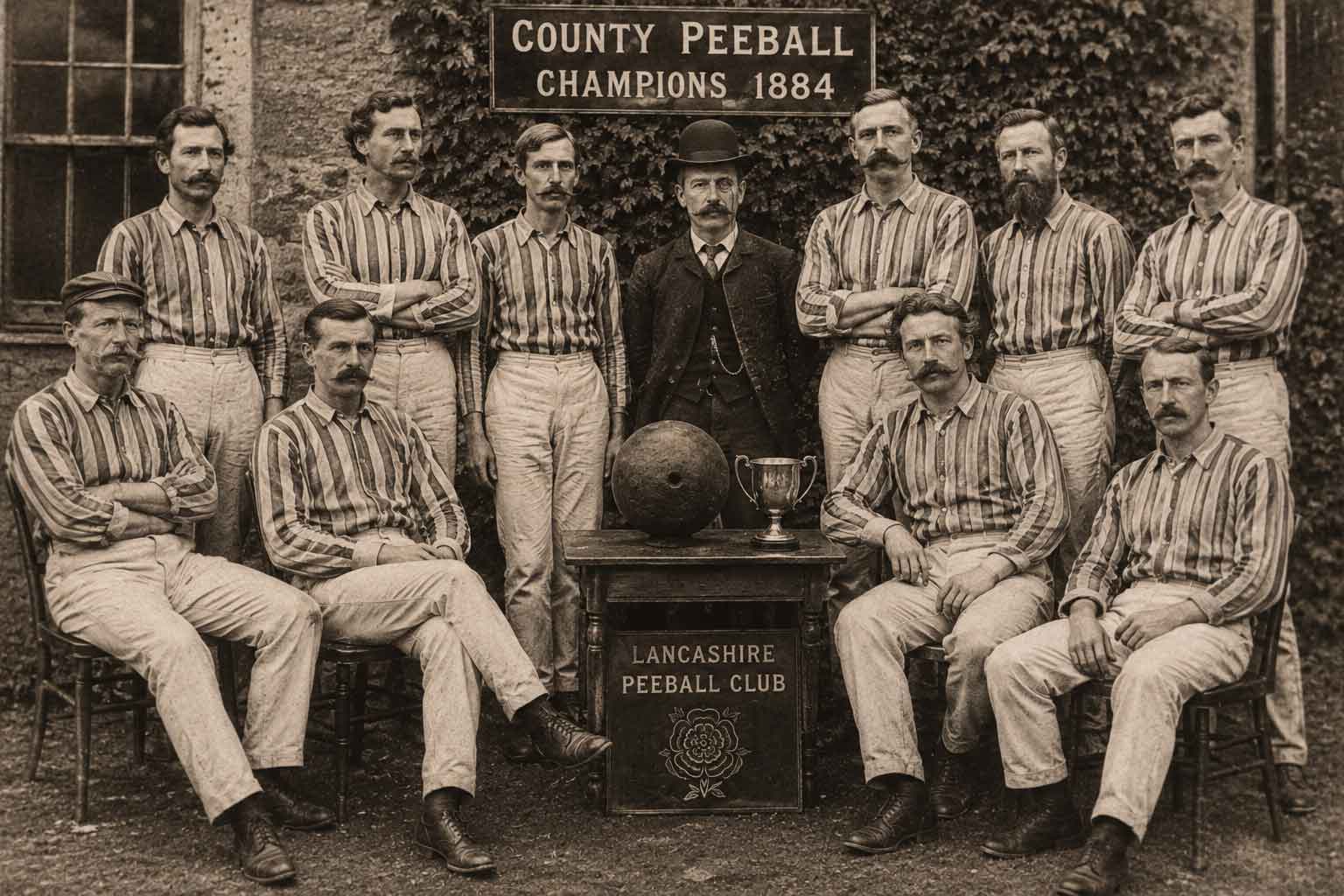
By the late 1840s in Great Britain, County Peeball was a fiercely competitive domain, with gentleman athletes like W.C. Grace and Sir Harold Slashman commanding huge followings. The Battle of the Roses between Lancashire and Yorkshire in 1884 was the third biggest grossing sporting event of the decade, with minor riots erupting in Leeds after a potentially match-winning stand by Dr James Wettbotham was disqualified for illegal use of the hands. Whether he dropped his monocle into the playing area deliberately was one question, but why he stooped to pick it up mid-stand has never really been resolved. 50 years later, the decision was still being argued about in lavatories throughout the North.
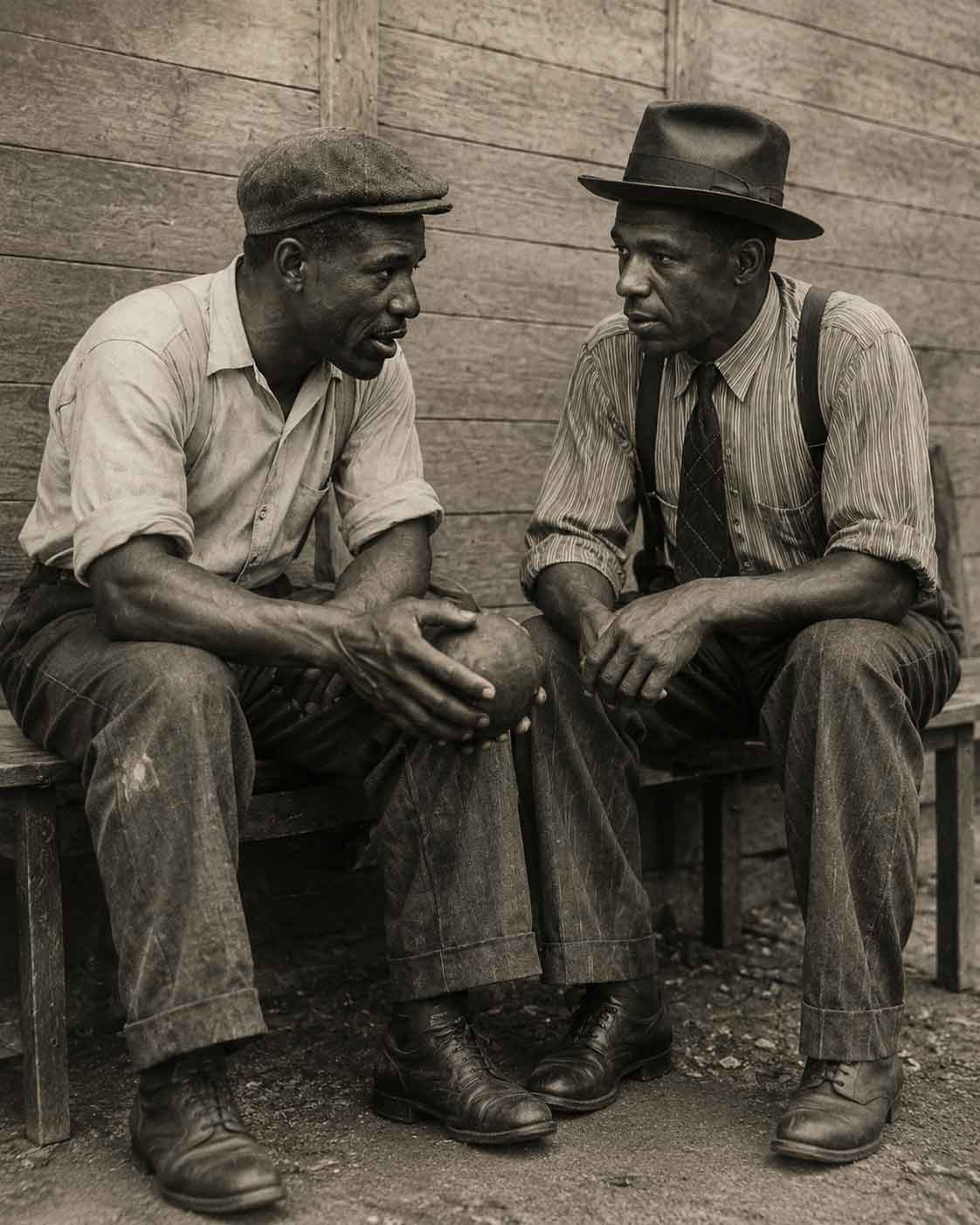
In the United States, the early years of Peeball witnessed tremendous discrimination against black competitors. Great hosemen such as Sweet Pee Brown and Jackson 'Mississippi' Rivers were regularly overlooked for championship matches in favour of inferior white opposition. It was only when Charlie 'The Blaster' Jackson publicly challenged the reigning white US champ and noted bigot Anson McGee that there was finally a black champion. Jackson's endurance stand of six minutes 13 seconds (achieved with a ball allegedly borrowed from a local child) remained the world's best until 1939, nearly thirty years later.
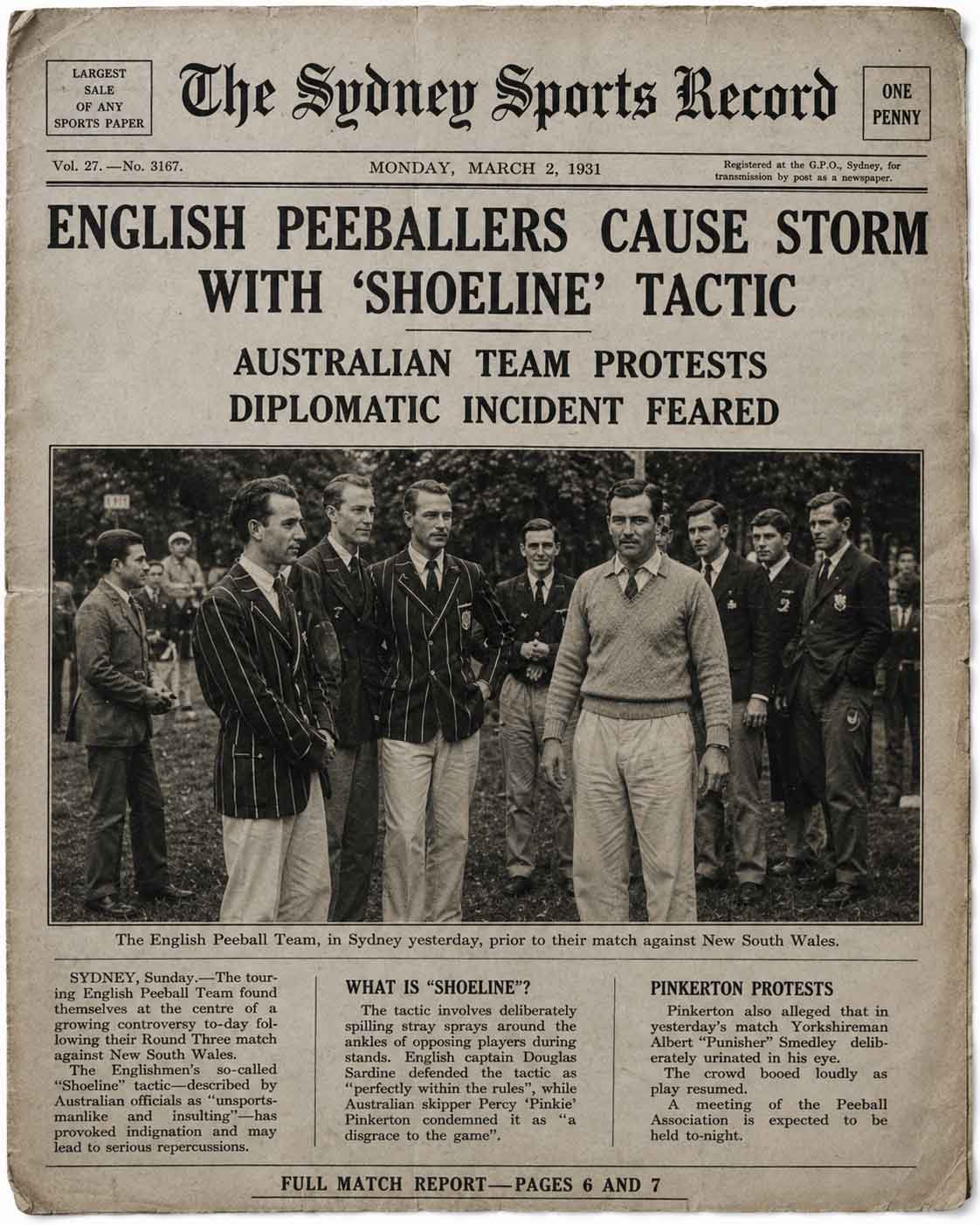
Peeball controversy wasn't confined to the US. During the English team's 1931 tour of Australia, their captain Douglas Sardine's abrasive 'Shoeline' tactic almost caused diplomatic relations between the two countries to be suspended — consisting of deliberately spilling stray sprays around the ankles of the Australian team, especially the great Don 'Iron Urethra' Hickles. In one infamous episode the Australian captain, Percy 'Pinkie' Pinkerton, accused Yorkshireman Albert 'Punisher' Smedley of deliberately urinating in his eye. It took a telegram from King George — 'STEADY ON STOP THIS JUST ISN'T PEEBALL' — to stop the English team being deported from the colony.
The war years were lean times for Peeball, with countless giants of the game perishing on the world's battlefields. One aside is that Barnes Wallace allegedly developed his idea for the bouncing bomb after watching a group of young boys play Peeball in an alleyway near his home. His estate disputes this conjecture.
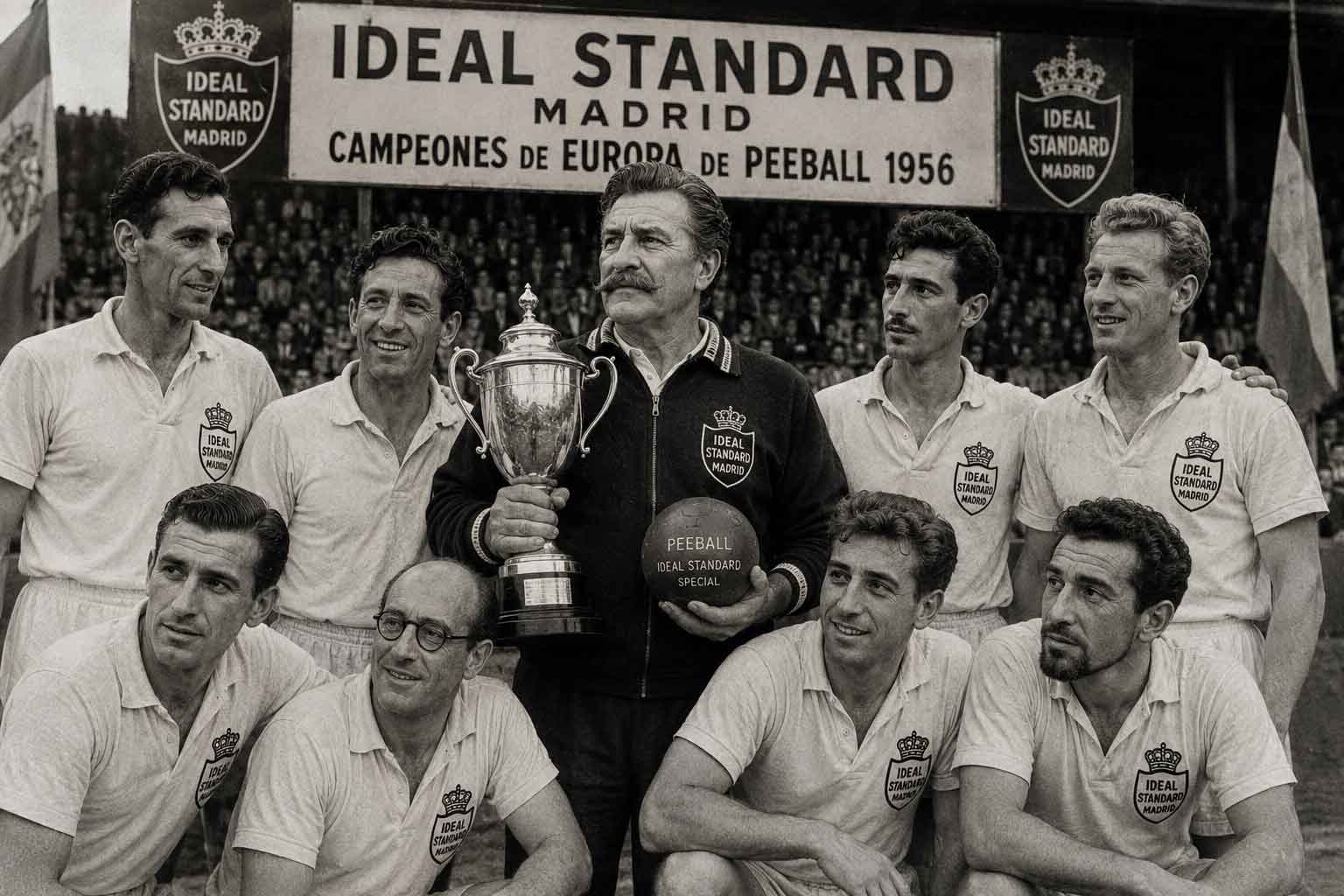
The 1950s were a golden age for Peeball, with Ideal Standard Madrid dictating how all future European teams would be judged. By combining the very best Spanish talent with defected Hungarian genius Ferenc 'The Slashing Major' Whooshkas, Ideal won five consecutive European Championships. The 1961 final, watched by over 12,000 Glaswegians in The Horseshoe Bar, has often been described as the greatest game of Peeball ever played, and inspired an entire generation of British players.
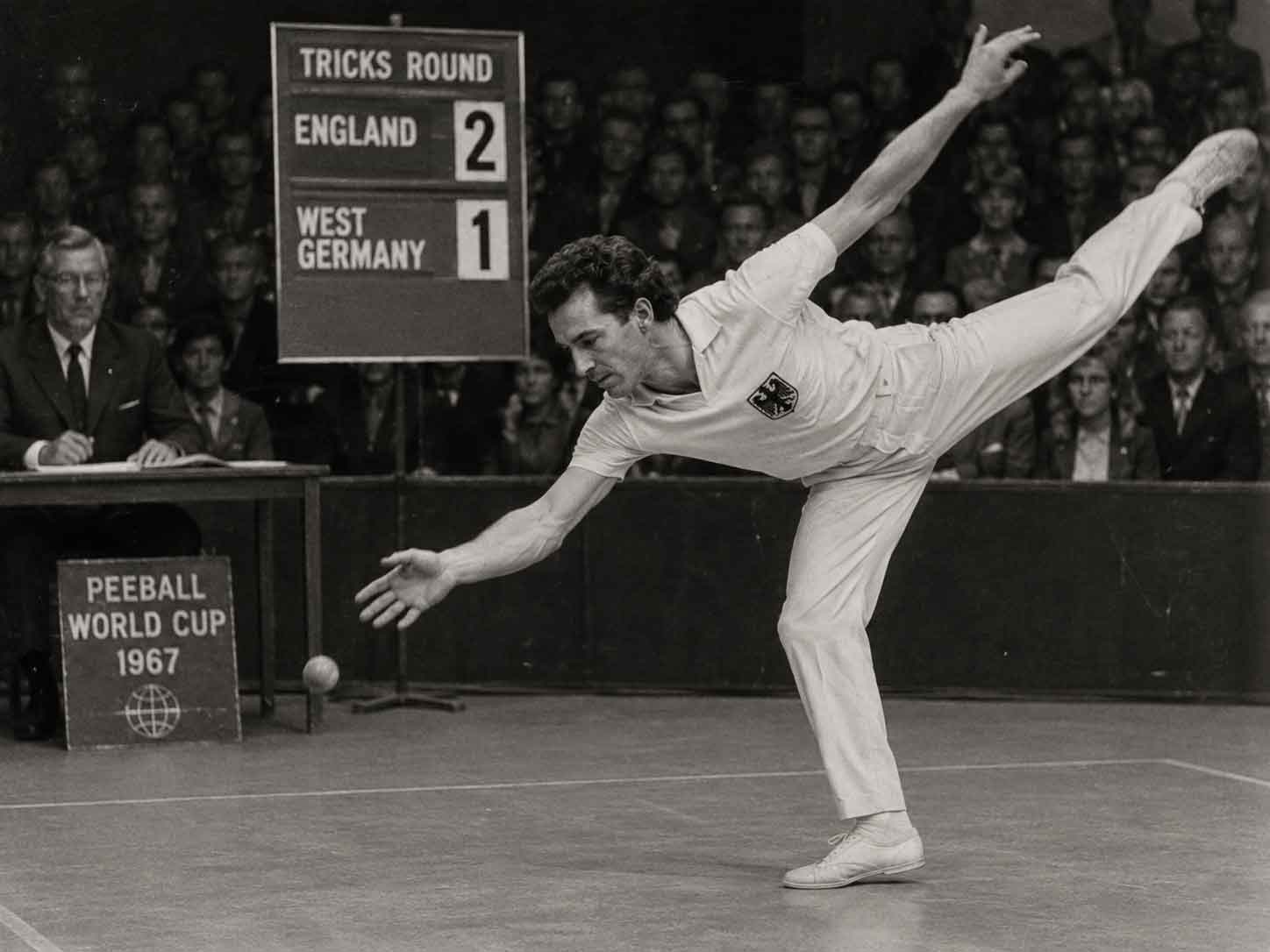
Six years later, England took the World Cup for the first and last time. A late Franz Beckenpecker windmill in the tricks round took the already nerve-jangling match into extra time. Once the Russian judge gave the most controversial decision in the game's history (did Geoff Spurt's ball really dissolve, or was it obscured by a pineapple chunk?), the words "There's people on the bog, they think it's all over — it is now!" became enshrined in every Englishman's heart.
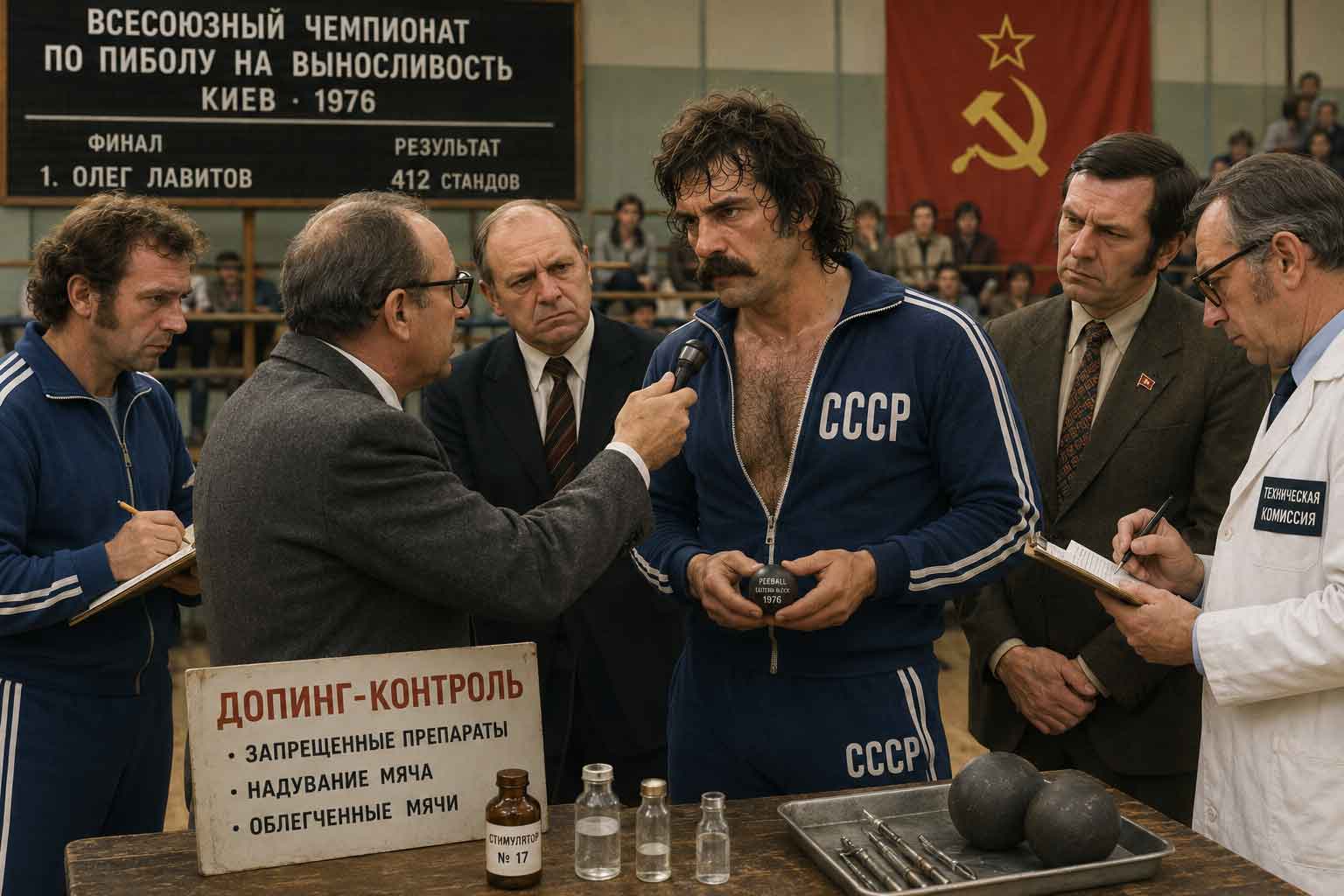
The 70s and 80s were troubled years for Peeball. Despite some classic battles, both decades were tainted by accusations of cheating levelled at the Eastern Bloc Peeball powerhouses — tales of systematic drug-taking, bladder inflation and lightened balls were commonplace, and it emerged that 1976 individual endurance champion Oleg Lavitov had been injected with camel hormones to increase his liquid capacity.
Thanks to the rigorous testing procedures of the International Peeball Federation (IPF) and the invention of Power Peeball in 1991, the 1990s were a new golden age for the sport. Global superstars like Jim-Bob Knobb, Luis Peego and England's own 'Tricky' Mickey Bowen now command five-figure salaries. Despite the lack of TV or media support, all over the world more and more athletes are taking up Peeball.
The launch of Power Peeball in the UK is merely the beginning of a new era for the sport. At the IPF we're aiming to make the 21st century the greatest era ever for Peeball. For all the results, match reports and details of how to get started on the road to glory, stay online.
Power Peeball History
Peeball, in its various guises, has been around for well over 100 years. Although Power Peeball, freshly arrived on the UK's shores, is a more recent development, its brief history is filled with glory, tears and no small amount of controversy.
Miguel Pistorillo was a clerical employee at the IPF back in 1991 when he came up with a novel idea. Cleaning his oven with some bicarbonate of soda, Pistorillo accidentally spilled some Vimto on the carton and stood back in amazement as it fizzed and bubbled before his very eyes. The next morning Miguel was in the office of anyone that would listen, insisting that a dissolvable Peeball — long seen as the Holy Grail for those dreaming of expanding the game's commercial appeal — was close at hand.
The men in charge were impressed by Miguel's idea, and after six months of research and design the Power Peeball that you're familiar with started production.
The first country to embrace Power Peeball was Germany, with the rivalry between Gunther Kunter and Herman Versplashen becoming back-page news from Berlin to Dusseldorf. The 1994 Munich Oktoberfest Tournament was the first Power Peeball competition in the world to offer prize money of over $10,000. As if predetermined by the sporting gods, Kunter and Versplashen met in the final, watched on TV by an estimated 10 million Germans.
At his first stand, Versplashen made the crowd choke on their sausages with a world record time of 9.98 seconds — the first documented sub-ten-second Peeball destruction in history. Remarkably, Kunter was up to the challenge. Reportedly not having been to the toilet for five straight days, he unleashed a torrential stream into the urinal, rinsing the last remnants of the Peeball down the drain in an astonishing 9.54 seconds. The force of his stream actually drenched the first four rows of spectators, and it took the skill of a master to keep the ball itself from flying out of the urinal at the explosive first contact.
It was this epic contest that first brought Power Peeball into the public consciousness. Semi-professional leagues started up in Spain, the USA, Austria, Australia (where both men and women had been competitively weeing with no Peeballs for decades), Hungary and Greece. Multi-ball contests became popular with fans who wanted to see more long-distance urination, and as the length of tournaments increased, so did participation and fan support.
The 1996 US Open, held in the car park of the Daytona 500, drew almost as many fans as the race itself. An estimated 74,000 people watched on specially erected screens as the legendary Billy 'Flushing' Meadows dominated the 'four-ball' and classic events, destroying world records in both disciplines. His then world record time of 8.94 seconds for a single ball was, in the words of Norris McQuirter, "one of the twenty greatest records in the entire book".
Two years later, though, the record book was ripped up with the arrival of the greatest force ever to enter the world of Peeball: the Hun with the Gun, the Human Water Cannon, the Berlin Ball Breaker — Gunther Bürsht.
Raised on the wrong side of the Wall, Bürsht's harsh upbringing resulted in a fierce determination to win. In his autobiography 'Bursting For Victory' (English translation by Kevin Keegan), Bürsht reminisces about his discovery of the sport in a Hamburg brothel, instantly posting sub-20-second times against experienced opposition.
Once the Wall fell, it wasn't long before he was fast-tracked into Germany's all-conquering national team, and two days after his 35th birthday he was named captain. Since then, Bürsht has become probably the most famous peeballer in history. He has broken his own world record on no less than 14 occasions, the most recent being the remarkable 5.86 seconds set at the Graham Norton Classic.
Spearheaded by Bürsht's massive talent, Germany remains the dominant force on the global game. However, with Power Peeball's introduction onto UK shores, it seems unlikely that the competitive nature of the British male will let this continue without a struggle. Get involved. Make it happen.
History — Ball Development
The Balls of History
The Power Peeball you're familiar with today is the result of hard months of research, providing a fully biodegradable ball with the control and feel competitors need. But it wasn't always this way.
Well into the 1920s many competitions still used cured and rounded animal bladders as their standard Peeball. Indeed, the popularity (due to its rough, tactile texture) of the Red Squirrel bladder led to widespread poaching and was one of the major reasons for the introduction of the Grey Squirrel into the British Isles.
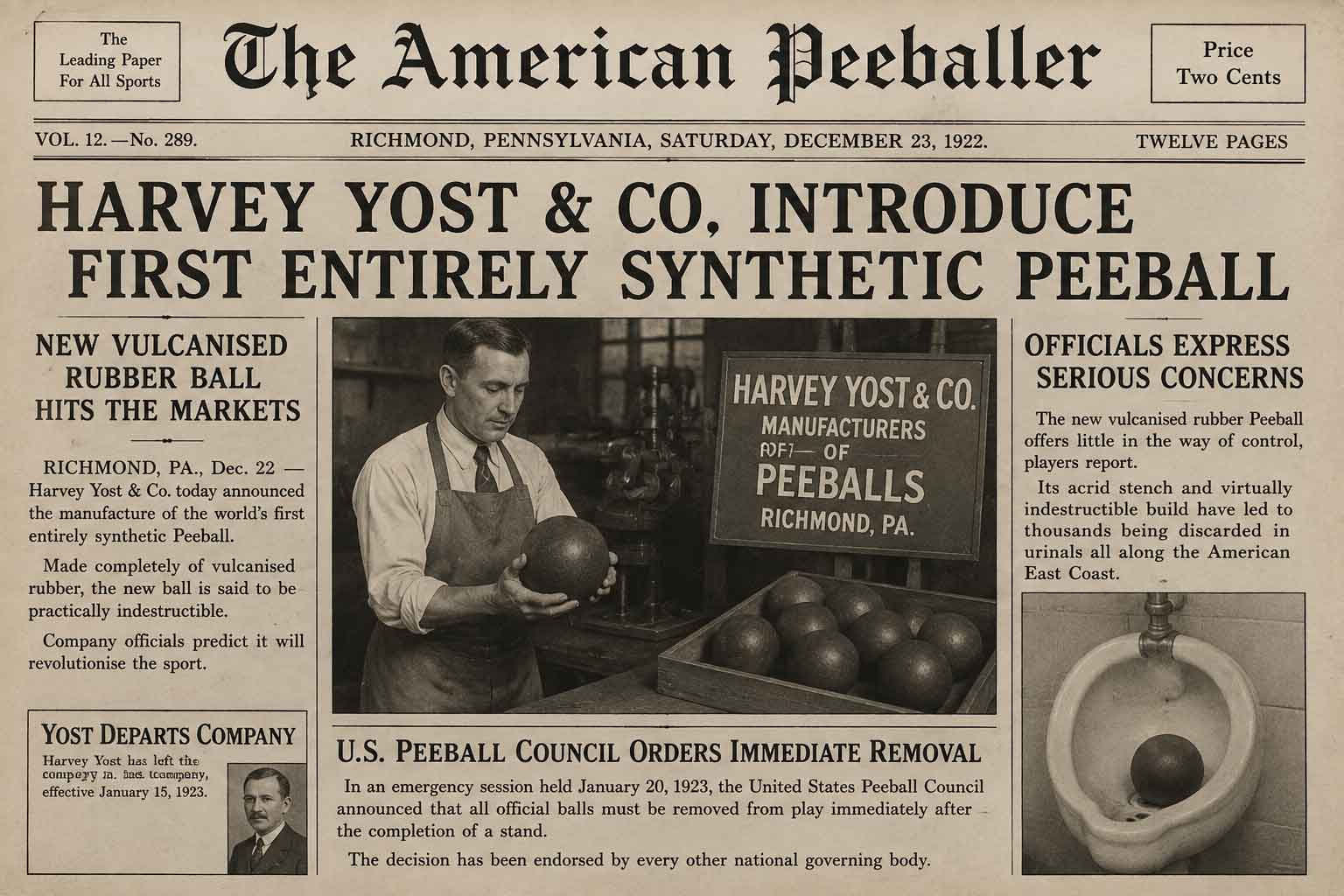
The first entirely synthetic Peeball was manufactured by Harvey Yost and Co. in Richmond, Pennsylvania in December 1922. Consisting entirely of vulcanised rubber, it offered little in the way of control and, due to its virtually indestructible build and acrid stench, hundreds of thousands were left in urinals all along the American East Coast. What followed, after Yost's departure from the company in January 1923, was the immediate declaration by the United States Peeball Council (a decision endorsed by every other national governing body) that all official balls must be removed from play immediately after the completion of a stand.
The invention of Power Peeball in 1991 changed the way we think about the sport. Today's Power Peeball offers control, speedy dissolution and a smart fizzing sound when attacked by a really firm stream of wee. This, in tandem with the imminent arrival of Peeball Pro, has led to the enormous upsurge in the game's popularity the world is experiencing today.
Thank you, history, for making our trips to the toilet that much more enjoyable.
More stories from Peeball history
Parky on Peeball
A lost 1979 chat show interview with legendary peeballer Tom Stimson, recovered for the first time.
Read the transcript ›A Match to Remember
Relive Joe Brazier v. Angelo Mazzioni, New York City, 1952 — one of the all-time great championship bouts.
Read the full story ›